



How contaminated tap water contributes to typhoid outbreaks in India
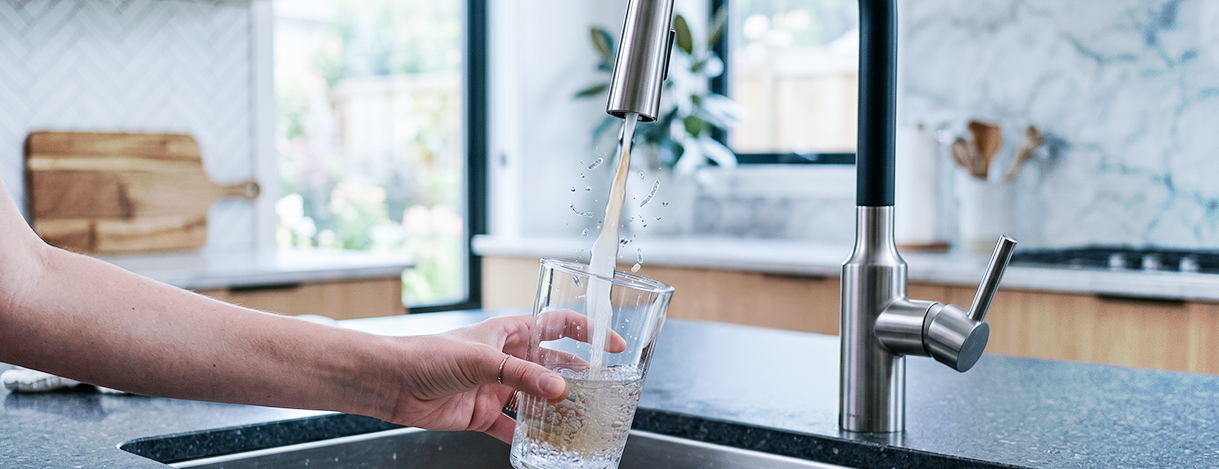
Contaminated tap water is a leading cause of typhoid in India. Ageing pipelines allow sewage to mix with drinking water, spreading Salmonella typhi. Drinking filtered water, maintaining hygiene, and getting vaccinated are the most effective ways to protect your family.
Typhoid fever remains a major health concern in India, largely due to contaminated drinking water. Between 2025 and 2026, thousands fell ill after consuming sewage-contaminated drinking water, resulting in multiple deaths. In most cases, the source of contamination was found to be ageing, corroded pipelines that ran too close to sewer lines, allowing sewage to seep directly into household water supplies. This raises an important question: Is tap water safe to drink in India? This issue is widespread across most Indian cities. Contaminated water continues to pose a significant risk, making it crucial for families to understand how typhoid spreads through water and how to protect themselves from waterborne diseases.[1]
What is typhoid and how does it spread through water?
Typhoid fever is caused by the bacterium Salmonella typhi. It spreads through contaminated water and food. When drinking water is tainted with the faeces of an infected person, consuming it can lead to typhoid infection. In India, poor sanitation, leaking pipelines and sewage contamination are major contributors to typhoid outbreaks.[1,2]
Why is contaminated tap water a major risk in India?
Contaminated tap water is one of the main sources of typhoid and other waterborne diseases. Leaking water pipelines, especially those laid decades ago, run alongside or below sewer lines, allowing sewage to mix with drinking water. This may creates a serious typhoid risk from tap water, often without visible signs of contamination. In urban areas, old infrastructure, poor maintenance and inadequate treatment systems further worsen the issue. With millions relying on public water supply, the risk of typhoid due to contaminated water remains high.[1,2,4]
How tap water gets contaminated
Pipeline leakage and cross-contamination
Leaking water pipelines allow sewage to mix with drinking water, directly contributing to how water contamination leads to typhoid. This cross-contamination is a common cause of outbreaks, particularly in urban India, where ageing infrastructure poses serious risks.[1,4]
Poor water treatment
Inadequate disinfection and a lack of proper water purification systems leave harmful bacteria in the water supply. Many regions still lack adequate purification systems, leaving drinking water vulnerable to contamination.[1,3,4]
Household storage practices
Improper storage of untreated water in open containers increases contamination risks at the household level. Water stored for extended periods under poor conditions can become a breeding ground for harmful bacteria.[3,4]
Environmental factors
Heavy rainfall or flooding can overwhelm water treatment systems, spreading contamination. Poor waste disposal practices further contaminate water sources, exacerbating public health risks.[1,4]
How contaminated water leads to typhoid outbreaks
Contamination of water is a leading cause of typhoid outbreaks, especially in areas with poor sanitation and aging infrastructure. When sewage mixes with drinking water due to pipeline leaks or inadequate treatment, harmful bacteria like Salmonella typhi can spread easily. This contamination is further exacerbated by improper storage practices at the household level. In densely populated urban areas, where water supply systems often rely on outdated infrastructure, the risk of outbreaks remains high, making it crucial to ensure safe water access and proper hygiene practices.[1,2,3]
Signs of typhoid infection to watch for
Typhoid symptoms to watch for include prolonged high fever, abdominal pain, headache, nausea and diarrhoea or constipation. Children may also experience vomiting, fatigue, and dehydration. Early detection and treatment are essential to avoid severe complications like sepsis or intestinal perforation.[2]
How families can protect themselves from contaminated tap water
Ensure safe drinking water
Ensure safe drinking water by using properly filtered water. Always check that your drinking water comes from a trusted source. If you are consuming juices or beverages, ensure that the water and ice used are filtered. Installing water purifiers at home can help eliminate contaminants, adding a layer of protection for your family’s health.[2,3]
Maintain household hygiene
Maintaining hygiene at home is crucial to preventing contamination. Regularly clean kitchen surfaces, dishes and water containers. Ensure that food is washed thoroughly, and practise proper hand hygiene before eating, before cooking or serving, and after using the washroom.[3,4]
Avoid direct consumption of untreated tap water
Avoid drinking untreated tap water, as it may contain harmful bacteria or sewage contaminants. Always drink filtered water or use a water purifier, especially in areas where the quality of water is uncertain.[1,4]
Stay alert to local water quality issues
Stay informed about the water quality in your area, especially during rainy seasons or when local reports highlight contamination risks. Regularly check for water advisories and take necessary precautions, such as avoiding water from potentially unsafe sources.[1,3]
Why typhoid prevention needs attention
Typhoid remains a significant concern in India, particularly in urban areas, where its incidence is rising. To combat this, following the WASH protocol (water, sanitation and hygiene) and getting vaccinated are equally important in preventing the spread of the disease. Typhoid vaccines can reduce the public health burden and protect vulnerable populations, particularly children, from contaminated water. It is one of the most effective ways to control outbreaks and keep families safe from the severe effects of typhoid.[2,4]
Conclusion
Contaminated tap water continues to pose a serious public health threat in India. The question of whether tap water can cause typhoid is no longer hypothetical but a reality in many regions. Understanding how typhoid spreads through water, improving sanitation and adopting preventive measures are essential steps forward. Along with safe drinking practices and typhoid prevention strategies, the typhoid vaccine offers strong protection against the disease. Families must remain vigilant, ensure access to safe water, and stay up to date with vaccinations to reduce the risk of typhoid infection.
FAQs
Can tap water cause typhoid in India?
Yes, contaminated tap water is a major cause of outbreaks, highlighting the real typhoid risk from tap water.
Is boiling water enough to prevent typhoid?
Boiling water is effective in killing bacteria, but filtration is important for effective water purification. Ensuring proper water treatment and hygiene practices are also essential to prevent contamination.
How does sewage contaminate drinking water?
Sewage contaminates drinking water when old or damaged pipelines leak, mixing waste with clean water, especially when pipes run close to sewage lines.
Are children more at risk from contaminated water?
Yes, children are more vulnerable to waterborne diseases like typhoid due to their weaker immune systems and lack of hygiene awareness.
What is the safest way to drink water at home?
Filtered or treated water is the safest to drink. Avoid untreated water and ensure that you are storing it in clean containers.

Resources
- https://www.downtoearth.org.in/water/unsafe-water-year-round-over-5500-fell-sick-34-died-due-to-contaminated-tap-water-across-india-in-last-12-months
- https://www.who.int/news-room/fact-sheets/detail/typhoid
- https://www.nrdc.org/stories/water-pollution-everything-you-need-know
- https://pmc.ncbi.nlm.nih.gov/articles/PMC10464135/
Disclaimer: A public awareness initiative by Bharat Biotech International Limited. This information is for general awareness only and does not constitute medical advice. The doctors, medical facilities and graphics shown are for illustrative purposes only. For any medical advice or any question or concern you may have regarding your condition, consult your doctor.