



How to protect your child from typhoid at school and playgrounds
Typhoid fever is a serious bacterial infection that is highly prevalent in areas with poor sanitation and unsafe drinking water. Children, in particular, are more vulnerable to this disease because of their higher exposure to contaminated food and water, as well as their habit of putting their hands in their mouths.[1,5,6] Schools and playgrounds are high-risk environments for typhoid because children share common spaces, including toilets, eating areas, and playgrounds, making it easier for the bacteria to spread.[3] Understanding how the disease spreads and taking preventative steps can help you protect your child from typhoid.
What is typhoid fever, and how do children get it?
Typhoid fever is a bacterial infection caused by Salmonella typhi.[1] It primarily spreads through contaminated food or water that has been infected with the stool of someone who has the disease.[3] Children are particularly vulnerable because they may be more likely to eat food prepared in unhygienic conditions or play in unsanitary areas, and forget to wash their hands properly after using the bathroom.
How schools and playgrounds increase the risk of typhoid[3,4,5]
Schools and playgrounds are where children come into contact with contaminated surfaces, food or water, which increases the likelihood of contracting typhoid.
Children are also known to be in close contact with one another. They play together and share their toys and food. At school, they may eat their lunchbox without having washed their hands, and may even share lunch with others. They may have used the bathroom and forgotten to wash their hands. After school, they might go out to eat street food, which may be made from untreated water or may have been exposed to bacteria. All these factors combined make children more vulnerable to typhoid at school.
How can parents protect their child from typhoid[1,2,5]
Teach proper hand hygiene
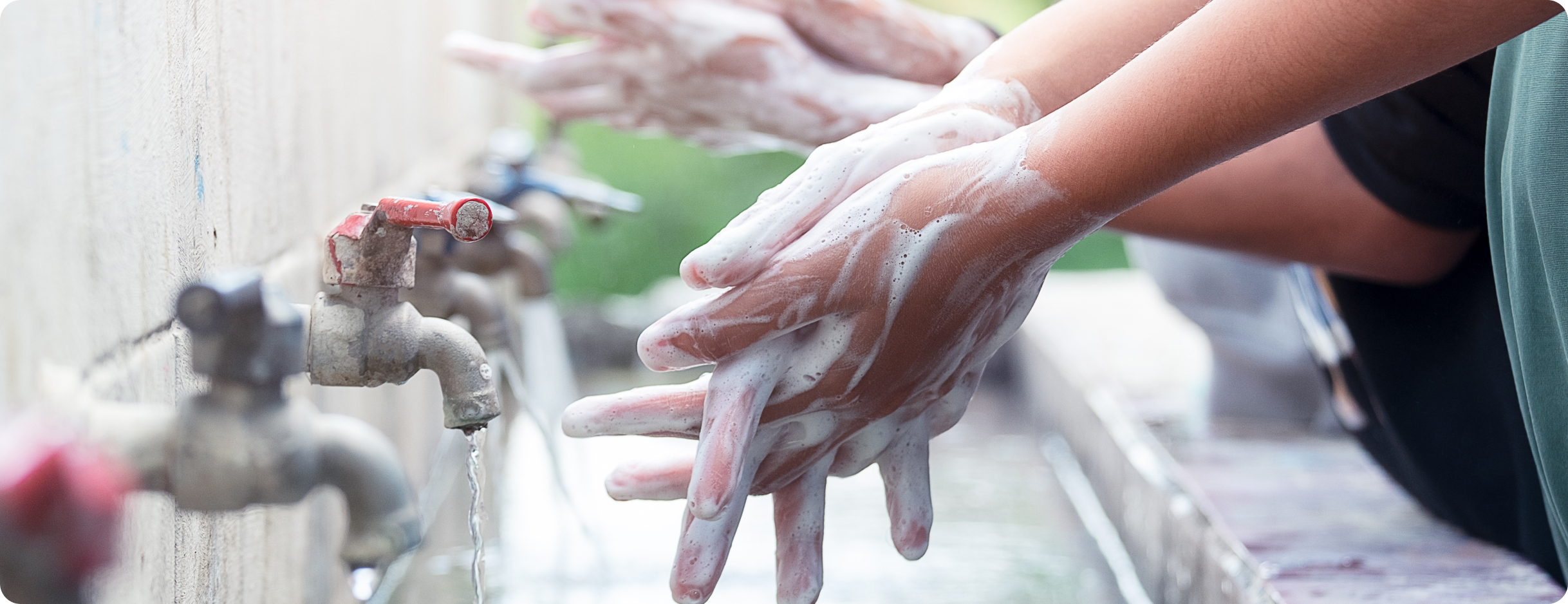
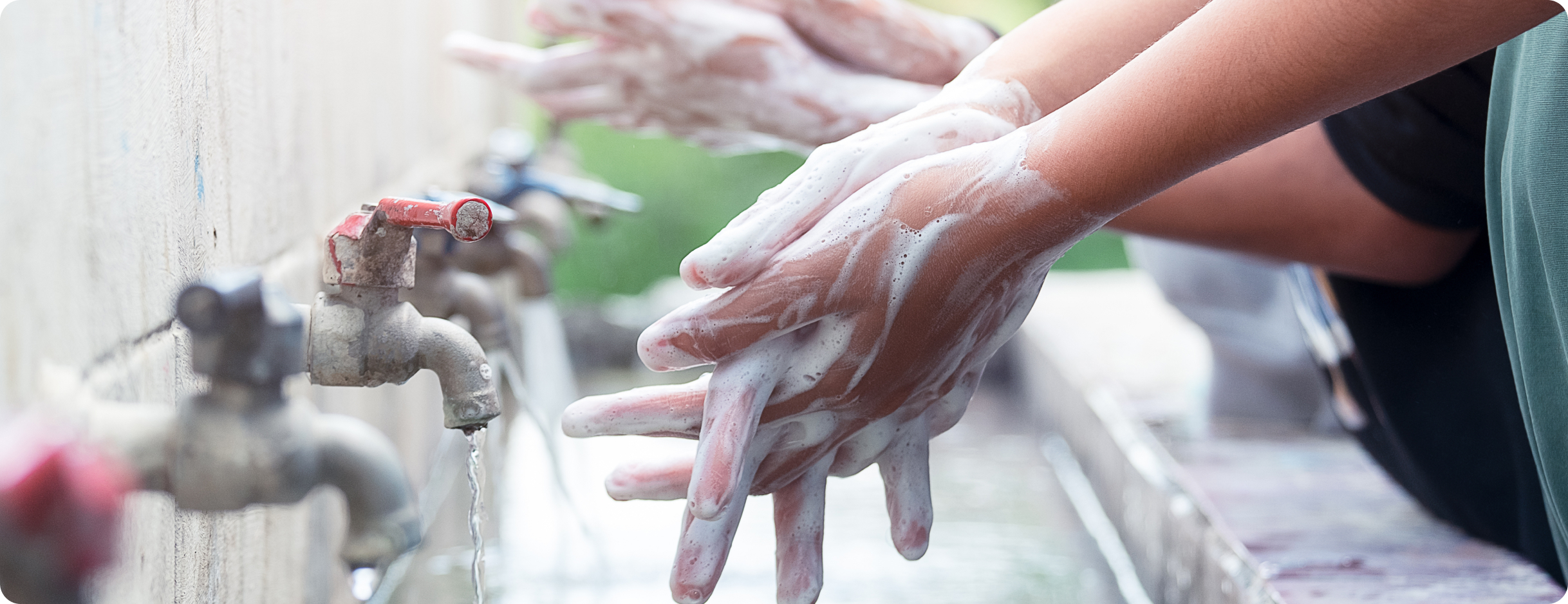
Encourage your children to wash their hands more frequently with soap and water, especially after they have used the bathroom, and before they sit down to eat.
Encourage safe drinking water
Always ensure that your child drinks water that has been treated to remove germs. Avoid drinking water from unknown sources and beverages that contain ice made with unknown sources of water.
Promote safe eating habits
Teach children that when they’re outside, they should avoid food that has been left out in the open for too long. If the food they are eating looks raw or undercooked, avoid it. Only eat food that is freshly made or is hot.
Vaccinate your child against typhoid
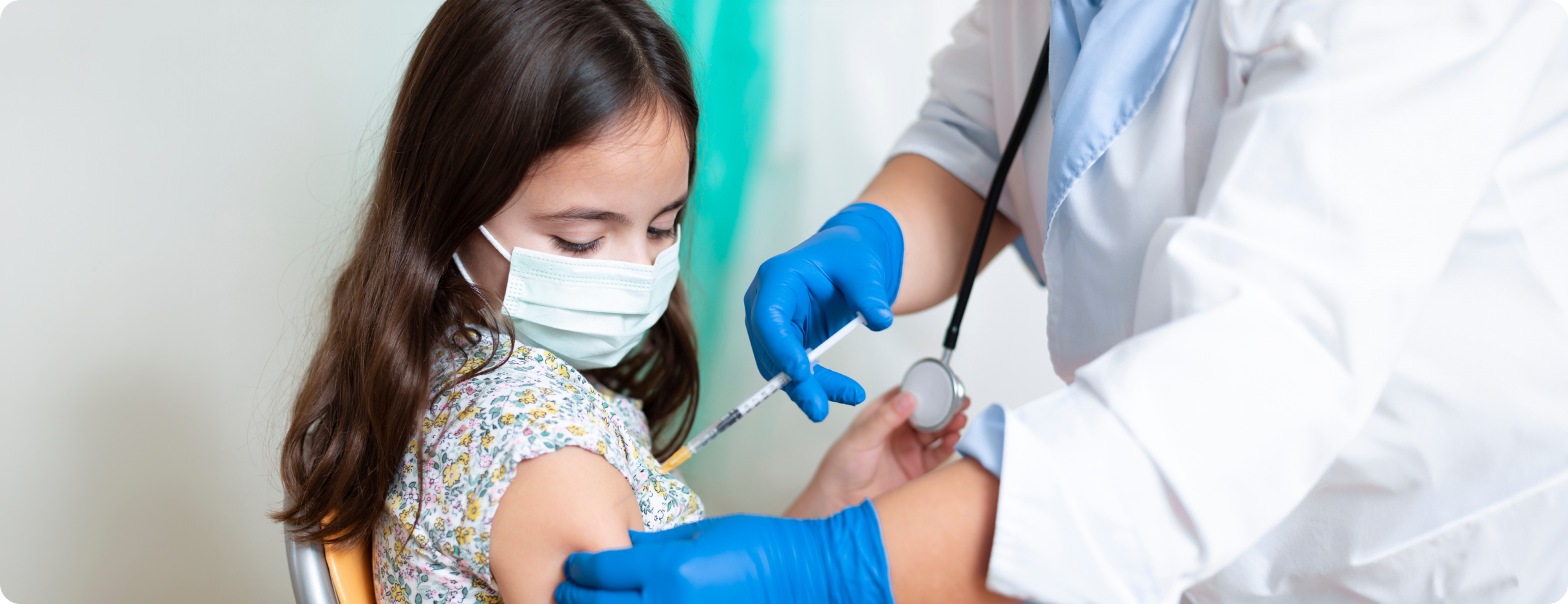
Vaccines are the best protection against infectious diseases. Two typhoid vaccines are prequalified for use with children by the World Health Organization. Consult your doctor to know more about the vaccines that are safe to use in children. The vaccine can also be given to children who’ve already recovered from typhoid. Since natural infection does not guarantee safety in the long-term, vaccines are better for typhoid prevention in children.
How schools can prevent typhoid outbreaks[1,2,5]
For teachers and educators
learning how schools can prevent typhoid outbreaks is equally important. Because at school, hygiene and typhoid prevention methods must be followed to keep the children safe from the disease.
Safe drinking water supply
Schools should provide safe, treated drinking water to avoid contamination.
Clean and Well-Maintained Toilets
Regular cleaning and proper maintenance of the bathrooms prevent the spread of bacteria.
Hand hygiene promotion
Encourage washing your hands with soap and water, especially after using the bathroom and before eating.
Food safety in school canteens
Schools need to ensure that their canteens and vendors are making food hygienically. They should avoid serving food buffet-style, since this creates chances for the food to be exposed for too long.
Health awareness and early reporting
Educate the students, teachers, and parents to know about typhoid, how it spreads, how to prevent typhoid in school children, and what the most common symptoms of typhoid are. If more people learn about the disease, it becomes easier to prevent.
Signs parents should watch for after school[1,3,4]
If you notice your child exhibiting the following symptoms, take them to the doctor immediately.
- A persistent high fever that progressively gets worse every day
- Pain or swelling in the abdominal region
- Diarrhoea, constipation or vomiting
- Small, pink rashes on the skin (more clearly visible in fairer skin)
- Weakness or a loss of appetite
Conclusion
Typhoid fever remains a serious threat to children, especially in school and playground environments where hygiene practices may be lacking. Parents can significantly reduce the risk by teaching their children proper hand hygiene, ensuring access to safe drinking water, encouraging safe eating habits, and getting the family vaccinated. Consult your paediatrician about vaccination to ensure they are protected from typhoid.
FAQs
Can a child get typhoid from school?
Yes, if there is contaminated food or water, and hygiene practices are not followed, it can spread typhoid at school.
Are playgrounds a risk for typhoid?
Typhoid prevention at playgrounds is important, since children can be at risk if there is poor sanitation and they come into contact with contaminated surfaces or unsafe drinking water.
Does hand sanitiser prevent typhoid?
Hand sanitisers help if they have at least 60% alcohol, but washing hands with soap and water is the most effective way of typhoid prevention in children.
Should schools require typhoid vaccination?
Yes, typhoid vaccination should be encouraged in schools, especially in endemic areas or where hygiene is a concern.
How quickly can typhoid spread in schools?
Typhoid can spread quickly in schools if safe drinking water and proper sanitation measures are not in place.

Resources
Disclaimer: The content on this website is intended to provide general information about typhoid. It should not be considered medical advice. Always seek the advice of your doctor with any questions you may have regarding a medical condition.