



Typhoid relapse: Why some patients get sick again

Typhoid, an endemic disease in India, spreads through food and water contaminated with the feces of an infected person. It is a bacterial disease caused by Salmonella typhi. Most people recover with the right treatment, but in some cases, the illness can return. Typhoid’s recurrence can be confusing and worrying for patients and families. Understanding why relapse happens can help in getting timely care and preventing further illness.[1]
Relapse vs reinfection: What’s the difference?[2]
Typhoid relapse is defined as a second typhoid visit caused by the same infecting strain. The bacteria that caused the first illness remained in the body quietly and became active again after recovery. Relapse usually occurs 1 to 3 weeks after a patient recovers.
Reinfection is defined as a new infection that happens after the patient has fully recovered from the first time. It happens from eating or drinking something that has been contaminated with the Salmonella typhi bacteria.
How common is relapse?[2,3,4]
Relapse occurs in about 10% of patients after they start getting better. It usually happens two to three weeks after the fever has settled, and is usually milder than the first attack.
Some people may also become chronic carriers of typhoid, meaning they continue to excrete the bacteria in their stool for 12 months or longer, even after their symptoms are gone. Around 1–4% of treated patients can become chronic carriers.
Why does typhoid relapse happen?[1,2]
Relapse happens when some bacteria remain inside the body even after treatment and become active again later. The causes of typhoid relapse are:
- Treatment is started late.
- The full antibiotic course is not completed.
- The infection was severe initially.
A person may also get reinfected because:
- Typhoid spreads easily in places with unsafe drinking water and poor sanitation.
- Natural infection does not provide strong protection, so a person can get typhoid again.
Humans are the only source of typhoid bacteria, and the infection spreads when food or water is contaminated by stool from someone who is infected or a silent carrier.
Symptoms and diagnosis of relapse[4]
The symptoms of relapse are similar to the first infection:
- Persistent fever
- Tiredness
- Headache
- Stomach discomfort or diarrhea
Doctors confirm relapse by testing blood. Blood culture may have to be done more than once for accuracy.
Prevention and management of typhoid relapse[1,4]
| To reduce relapse | To prevent reinfection |
|---|---|
|
|
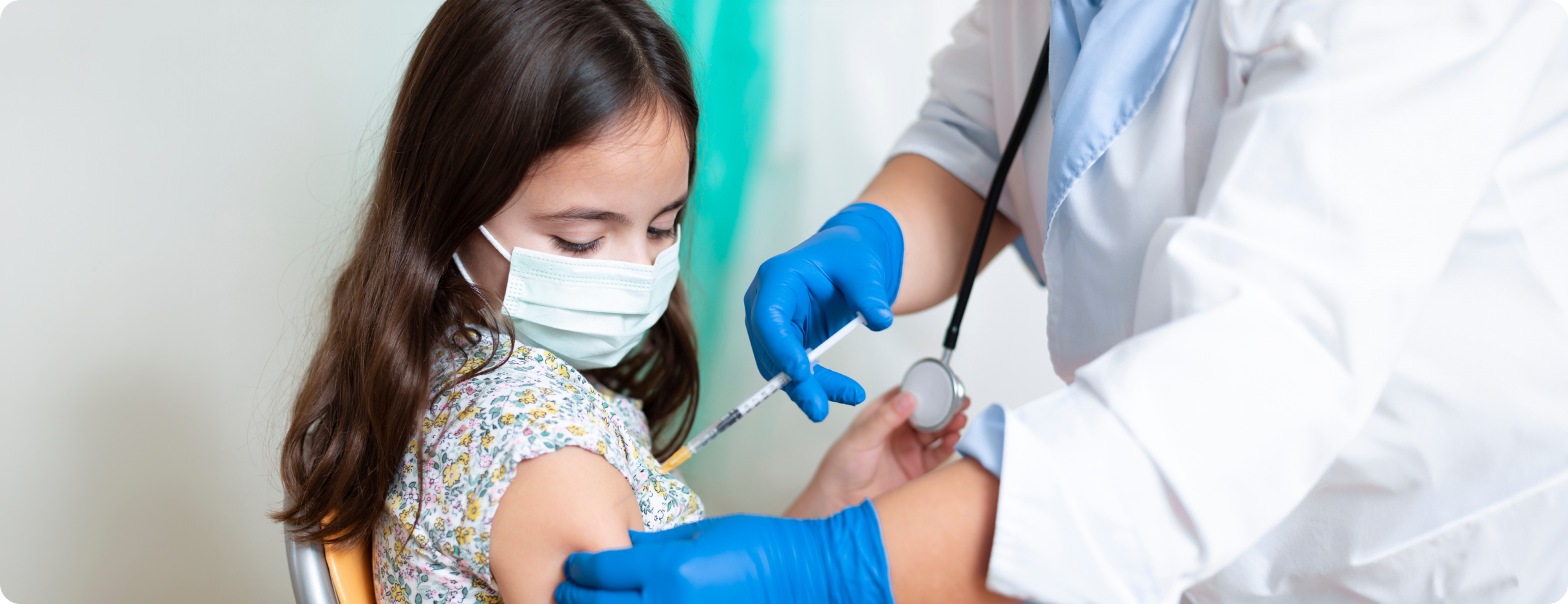
Preventing typhoid in the community also requires improved clean water and sanitation, but this can take time. Typhoid vaccines can help reduce illness and protect those who are most at risk.
FAQs
Can typhoid come back after treatment?
Yes. Relapse occurs in up to 10% of patients, usually within 1–3 weeks after recovery.
How long after treatment can typhoid relapse?
Most relapses happen two to three weeks after the fever has settled.
What causes typhoid relapse?
Relapse happens when some bacteria remain in the body and become active again. Reinfection can also occur if a person consumes contaminated food or water again.


Resources
Disclaimer: A public awareness initiative by Bharat Biotech International Limited. This information is for general awareness only and does not constitute medical advice. The doctors, medical facilities and graphics shown are for illustrative purposes only. For any medical advice or any question or concern you may have regarding your condition, consult your doctor.